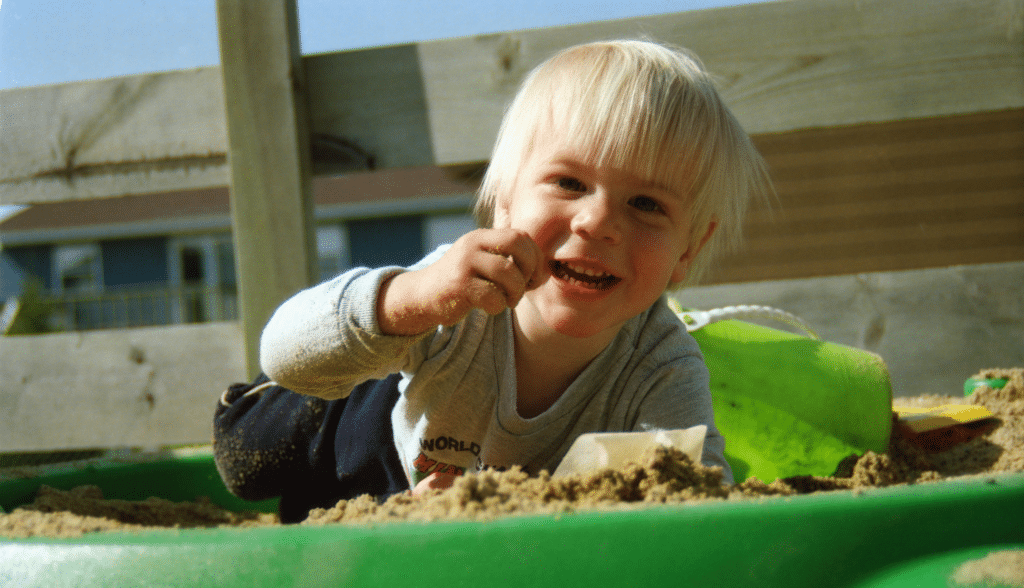
Learning doesn’t stop at the classroom door. In fact, some of the most critical lessons in physics and engineering happen right outside on the playground! As we look forward to the warmer months ahead, now is the perfect time to think about how your outdoor space can double as a dynamic learning lab.
Sand and water play are timeless favorites, but they are so much more than just messy fun. They are powerful tools for STEM education that encourage children to experiment and solve problems in real time. Adding these elements to your school or park creates a unique outdoor space that engages young minds and fosters a sense of community.
The Physics of Flow
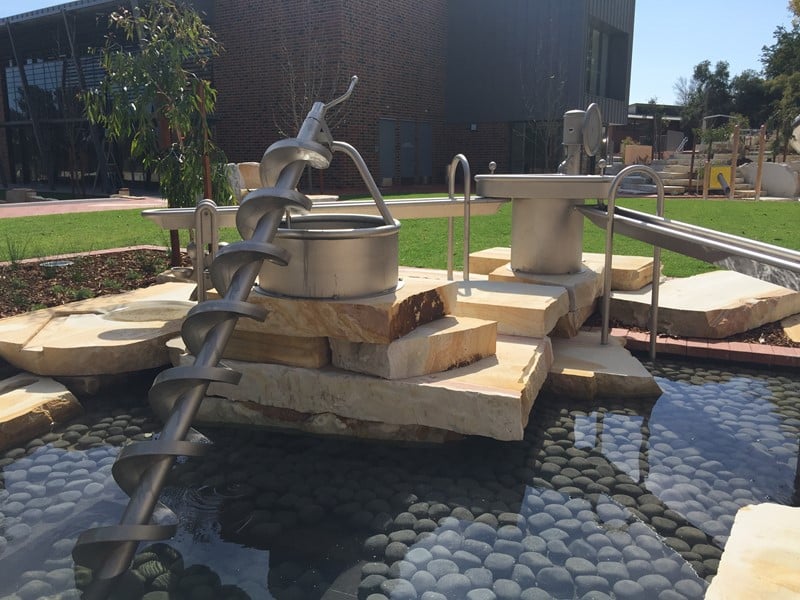
Water play is basically a hands-on physics lesson. When children pump water or block it with dams, they are exploring complex concepts like gravity and cause-and-effect.
With sand and water systems, like the ones from Goric, kids become hydrologists. They learn that water flows downhill and that they can control its speed. Watching an Archimedes screw lift water against gravity isn’t just magic to them — it’s science in action! These “Aha!” moments spark a curiosity about how the world works that textbooks alone just can’t match.
Why STEM Matters on the Playground
Research consistently shows that tactile outdoor play is a major driver of cognitive development. By bringing the classroom outside, you let kids blow off steam and help them build foundational skills.
Here is what the data tells us about the power of sensory play:
- Math in Motion: Simple acts like pouring water between buckets help children grasp early math concepts like volume and measurement comparisons.
- Scientific Inquiry: According to the National Association for the Education of Young Children (NAEYC), sand and water play allow children to make predictions and test theories (e.g., “Will this rock sink or float?”), which is the basis of the scientific method.
- Fine Motor Development: Manipulating damp sand or turning a water crank strengthens the small muscles in the hands and wrists, which are essential for writing and other classroom tasks.
Engineering From the ground up
If water is physics, sand is engineering. Dry sand behaves like a fluid, while wet sand can be molded into solid structures. Navigating the difference between the two teaches children about textures and structural integrity.
Using tools like excavators or chutes requires fine motor coordination. “How much sand can this bucket hold before it gets too heavy?” “Will this wall hold up if I add more water?” These are the micro-calculations future architects make every time they step into the sandbox. It’s learning through play at its finest.
Equipment That Teaches
At All Inclusive Rec, we partner with Goric because their equipment is designed specifically to spark this kind of discovery. Their Sand and Water Play collection turns any play area into a hands-on laboratory.
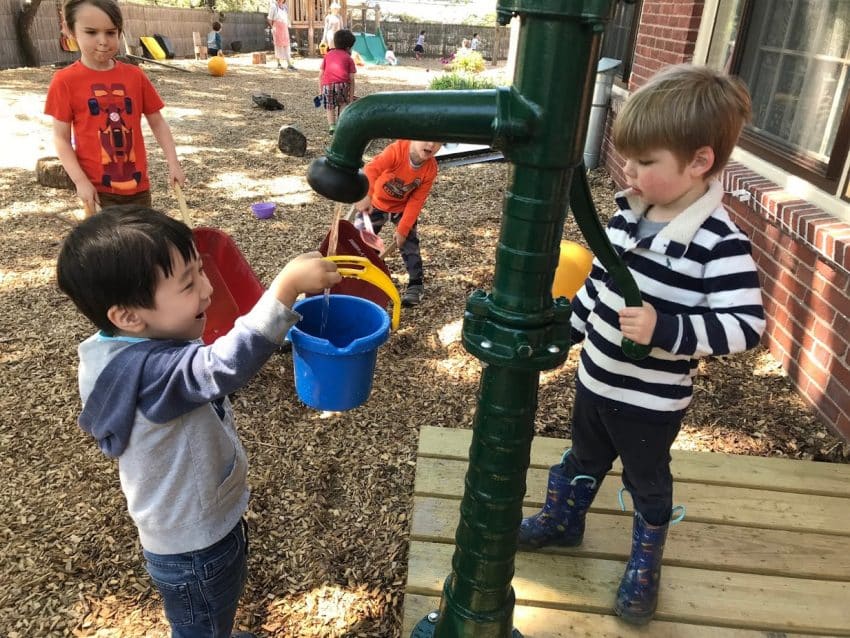
- The Farm Pump: This fully enclosed pump (with no pinch points) gives kids a realistic lesson in mechanics. They have to physically work the handle to get the water flowing, teaching them a direct lesson in cause and effect.
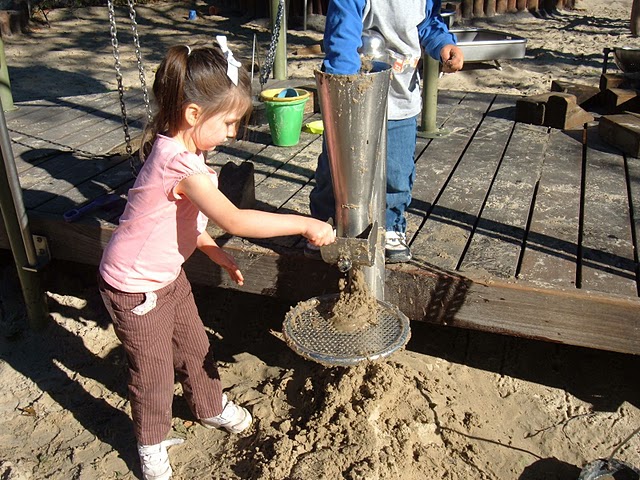
- Sandworks & Conveyors: Goric’s system of cranes, chutes and conveyor belts, like with the Sandworks 4, allows children to move materials across the playground. It requires careful planning and teamwork to get the sand from Point A to Point B.
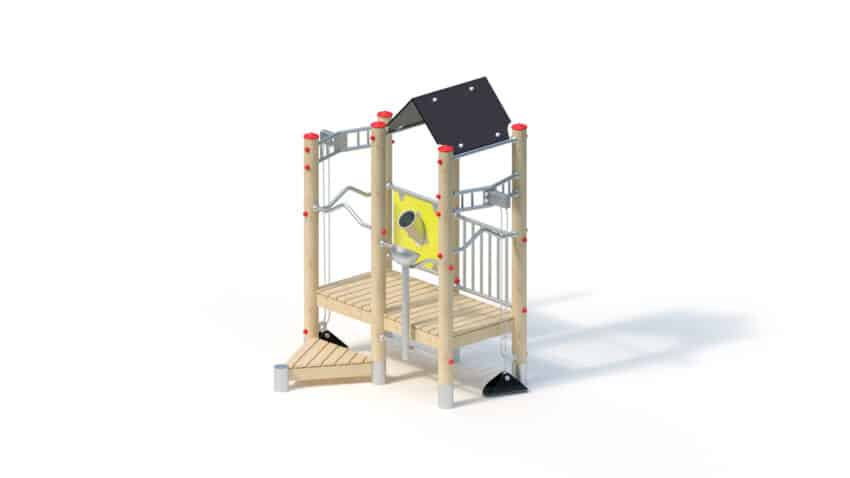
- The Sand Silo: This feature features a sliding door that lets kids control the flow of sand, offering a perfect visual demonstration of volume.
The Social Science of Teamwork
Perhaps the biggest lesson isn’t about the sand or water at all. It’s about the people. These stations are natural gathering spots that encourage collaboration. It’s hard to run a massive water trough system alone!
One child might pump the water while another clears the drain. This kind of cooperative play builds communication skills and teaches children that working together yields the best results. It turns a group of students into a community.
Bring STEM to Life Outdoors
Playgrounds should be places where fun and learning collide. By integrating sand and water features into your landscape design, you’re building an environment where the next generation of scientists can get their hands dirty.
Let’s get your playground ready for the sunny seasons ahead! Contact All Inclusive Rec today.
P.S. Check out five other ways you can make your community space ready for summer.